Expansion Joints
Rectangular Expansion Joints
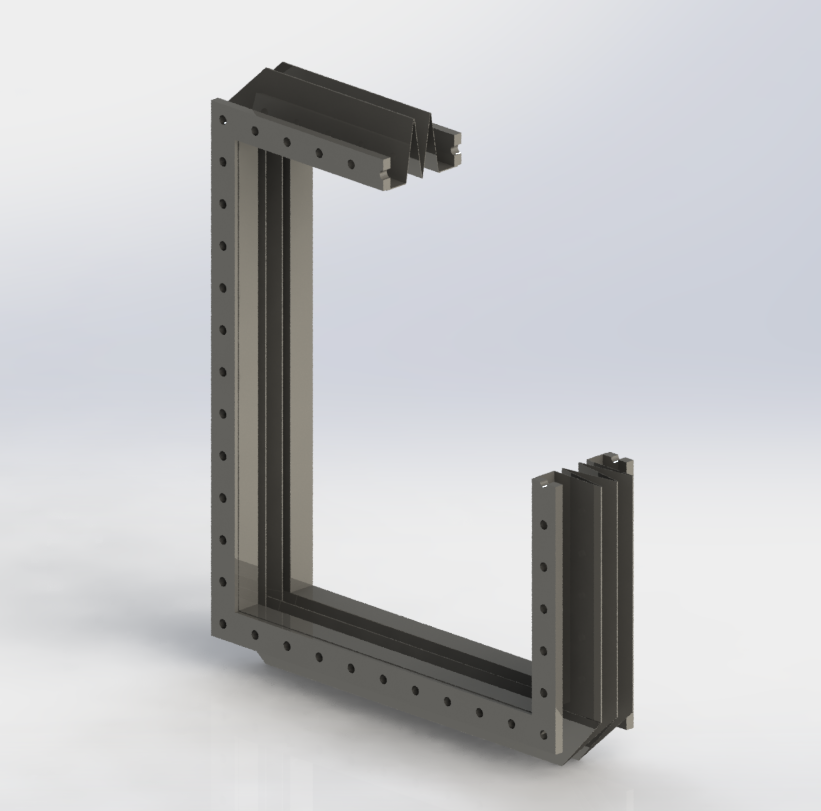
Rectangular expansion joints absorb thermal movement in ducts and flue gas lines that are squar...
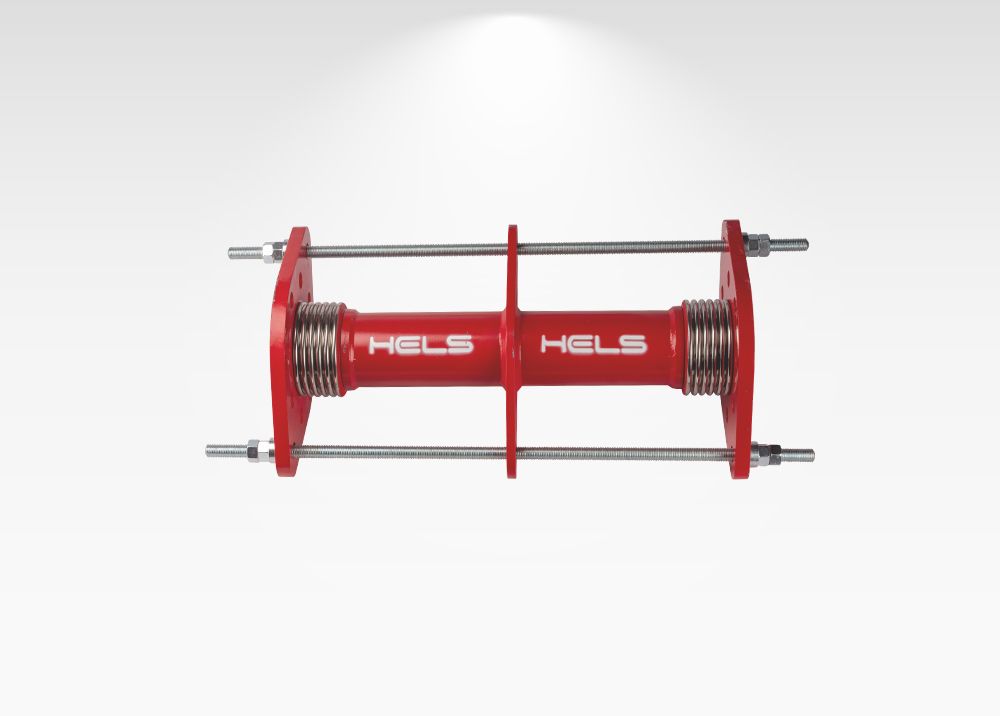
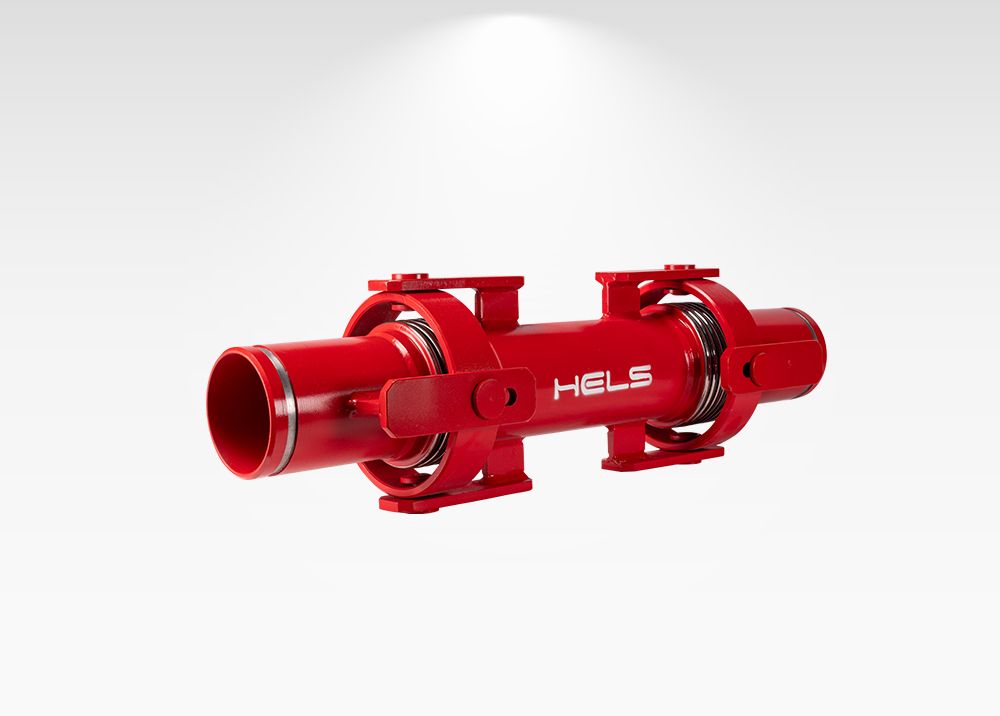
Expansion joints for building movement joints are placed where the piping crosses a structural movement joint. They absorb the independent movement of separately founded masses and the horizontal and vertical movement that any ground movement brings to the system, keeping it working safely. Tied joints are designed to take up movement in the x and y planes and are built to the movement required.
A tied joint consists of twin bellows, an intermediate pipe, flanges and tie rods. The bellows at both ends and the tie rods give it the ability to prevent settlement movement.
They are used at every movement joint in a building crossing, on all buried and above ground lines and in every piping system carrying any fluid. The bellows are made in stainless steel and the connecting parts in carbon steel or stainless steel.
Connection: rotating flange, fixed flange, weld neck, threaded or grooved
Nominal diameters: DN25 (1") – DN1200 (48")
Pressure and temperature: PN40, -80 / +427 °C (optional -80 / +1100 °C)
Tell us the line pressure, fluid type and temperature; we will work out the right model and its alternatives with you.
Rectangular expansion joints absorb thermal movement in ducts and flue gas lines that are squar...
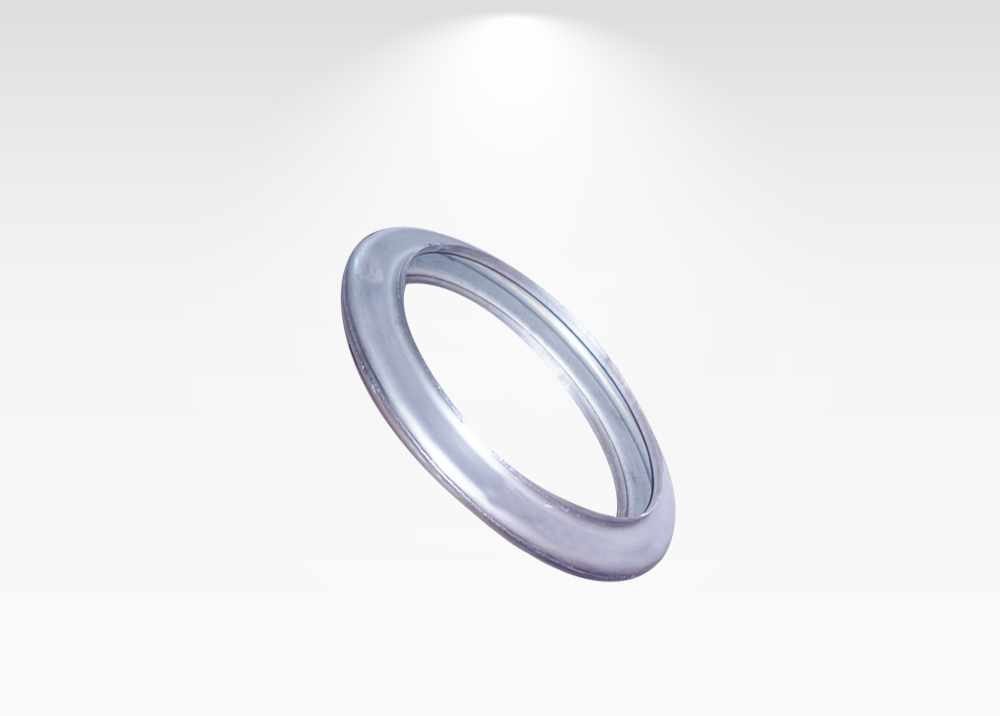
Lens expansion joints are pressurised expansion elements for service where higher pressure and...
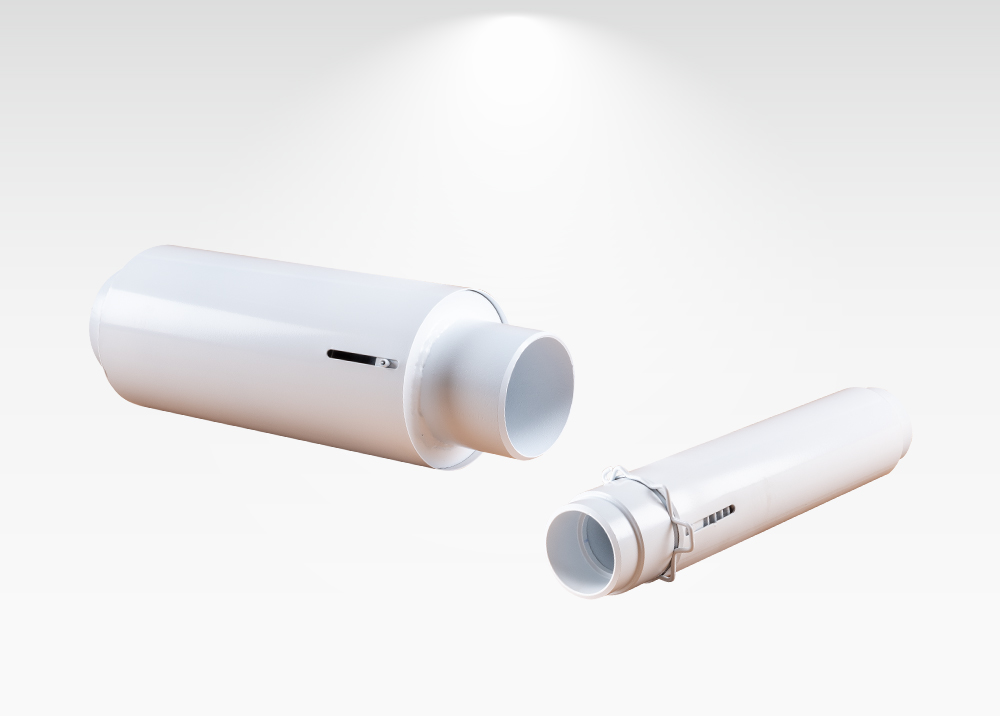
Pipe expansion joints absorb the expansion and contraction caused by temperature difference in...
Gimbal expansion joints are placed at building movement joints to absorb independent movement o...